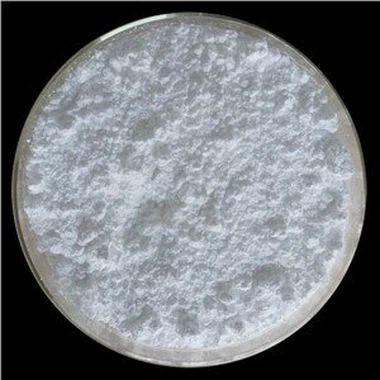
Research On Boron Nitride Technology
Jun 17, 2024
Boron nitride (BN) is a chemical compound with a unique combination of properties, including high thermal conductivity, high electrical insulation ability, and exceptional mechanical strength. Due to these properties, BN has become an essential material in various industrial applications, such as electronics, ceramics, and aerospace. The study of boron nitride technology has been crucial in developing new methods of producing high-quality BN materials with improved performance.
In recent years, significant progress has been made in the field of BN technology research. One of the most notable developments is the creation of various synthesis methods, including chemical vapor deposition, solid-state reaction, and high-pressure-high-temperature methods. These methods have allowed researchers to manufacture BN materials with tailored properties suitable for specific applications.
Moreover, researchers have explored the utilization of BN composites and hybrids by combining BN with other materials to achieve improved properties. For example, BN/water-based graphene oxide composites have been developed, which have excellent heat dissipation and electrical insulation properties, making them suitable for use in electronics.
Another exciting development in BN technology research is the use of BN films for various applications, including biomedical, optoelectronics, and sensing applications. BN films can be used as a biocompatible coating material for biomedical implants, as they reduce inflammation and promote cellular adhesion.
Furthermore, BN films can be used for sensing applications, such as gas sensing, as they exhibit exceptional sensitivity to various gases. Similarly, boron nitride nanotubes (BNNTs) have also emerged as a promising material for nanotechnology applications, with specific advantages over their carbon counterparts, including better thermal and chemical stability.
In conclusion, the study of boron nitride technology has led to numerous advancements in the field of materials science and made significant contributions to various industrial applications. With ongoing research, it continues to offer new insights and developments for the future of engineering and technology.