Boron Nitride & Graphene Conductivity Comparison
Apr 29, 2024
What are the similarities and differences between boron nitride and graphene as advanced conductive, high temperature and corrosion resistant materials? If interested, please read on!
Boron nitride and graphene are two important materials that exhibit excellent conductivity properties. Boron nitride is a compound consisting of boron and nitrogen atoms, and it exists in several different forms including hexagonal boron nitride (h-BN) and cubic boron nitride (c-BN). Graphene, on the other hand, is a two-dimensional form of carbon that has a hexagonal lattice structure.
Both boron nitride and graphene are known for their high electrical conductivity and have been widely studied for their potential use in electronics and other applications. In terms of their conductivity properties, both materials exhibit high electron mobility, meaning that electrons can move through the materials quickly and efficiently. Additionally, they both exhibit good thermal conductivity, which makes them useful for applications such as heat sinks.
However, there are some differences in the conductivity properties of boron nitride and graphene. Graphene exhibits the highest room temperature conductivity of any material and has a theoretical conductivity of up to 200,000 S/cm. This conductivity is due to its unique structure, which allows electrons to move through the material without encountering significant resistance. Additionally, graphene is a strong, lightweight and flexible material that can be easily integrated into electronic devices.
Boron nitride, on the other hand, exhibits a lower conductivity than graphene but still exhibits excellent thermal and electrical conductivity properties. Additionally, h-BN has a wide bandgap, which means that it can act as an insulator in some applications. c-BN, on the other hand, is a superhard material and is used as an abrasive and cutting tool.
In terms of their advantages and disadvantages, boron nitride and graphene both have unique properties that make them useful materials in certain applications. Graphene's high conductivity, lightweight nature, and flexibility make it ideal for use in electronics and other applications where high-performance materials are required. Boron nitride's high thermal conductivity and wide bandgap make it useful for a range of thermal management applications, including the production of insulators and semiconductors.
Overall, both boron nitride and graphene exhibit excellent conductivity properties, and their unique properties make them useful materials in a range of applications. As research in both materials continues, it is likely that new applications and uses for these materials will be discovered.
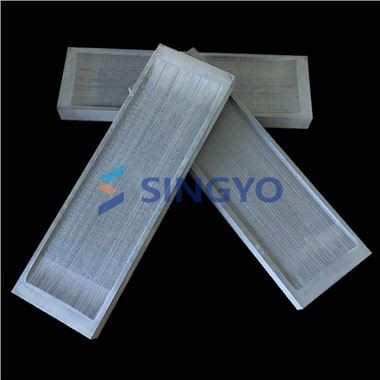
Shengyang New Material Co., Ltd. is committed to the production of boron nitride and boron nitride processed products, and can customize various boron nitride insulating ceramic parts according to customer needs. Contact us if necessary.
Tel:+8618560961205
Email:sales@zbsyxc.com
WhatsApp:+8613964302243