Corrosion Resistance Characteristics And Industrial Applications Of Boron Nitride Coatings
Mar 26, 2025
Boron Nitride (BN) coatings exhibit exceptional chemical inertness, high-temperature resistance (up to 2000°C), and corrosion resistance, making them valuable in the following industries:
1. Target Industries and Key Benefits
| Industry | Corrosive Environment | Advantages of BN Coatings |
|---|---|---|
| Chemical Processing | Strong acids (e.g., sulfuric, hydrochloric), alkalis, organic solvents | Resists chemical attack, prolonging service life of reactors, pipelines, and storage tanks. |
| Marine Engineering | Seawater, salt spray | Provides salt fog corrosion resistance for ships, offshore platforms, and desalination equipment. |
| Oil & Gas | H₂S, high-temperature/pressure hydrocarbons | Protects drilling tools and pipelines against sulfur-induced corrosion and oxidation. |
| Aerospace | High-temperature oxidation, combustion byproducts | Shields turbine blades and combustion chambers from hot gas corrosion. |
| Nuclear Industry | Radiation + corrosive media | Used in reactor vessel linings and nuclear waste containers due to radiation resistance. |
| Electronics | Electrochemical corrosion, moisture | Insulating and corrosion-resistant properties safeguard PCBs and semiconductor components. |
2. Application Methods
(1) Surface Preparation
Cleaning: Degrease with acetone/alcohol to remove oils and oxides.
Roughening: Sandblasting or chemical etching (e.g., anodizing for aluminum) to enhance adhesion.
(2) Coating Formulation
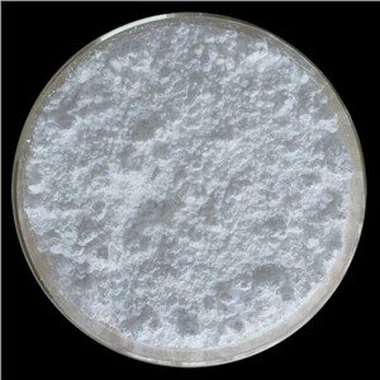
Composition: Mix BN powder (0.5–10 µm) with high-temperature binders (e.g., silicone resin, ceramic sol) at 1:1–1:3 ratio; add dispersants (e.g., PVP) to prevent agglomeration.
Dilution: Adjust viscosity with ethanol/deionized water for spray/dip coating.
(3) Coating Techniques
| Method | Use Case | Parameters | Thickness |
|---|---|---|---|
| Spraying | Large/flat or complex surfaces | 0.3–0.5 MPa pressure, 0.3–0.5 mm nozzle | 20–50 µm |
| Dipping | Small precision parts (valves, bolts) | 1–3 min immersion, 5–10 cm/min withdrawal | 10–30 µm |
| Brushing | Spot repairs | Apply 2–3 layers, 10-min intervals between coats | 15–40 µm |
(4) Curing
High-Temperature: Sinter at 300–600°C for 1–2 hours under N₂/Ar for dense coatings.
Low-Temperature: UV or room-temperature curing (for organic-modified BN coatings).
3. Key Considerations
Compatibility Testing: Verify thermal expansion matching between coating and substrate (e.g., BN adheres better to titanium than steel).
Multi-Layer Coating: For extreme environments (e.g., nuclear reactors), use hybrid "BN+SiC" coatings applied in layers.
Maintenance: Recoat industrial equipment every 3–5 years; inspect aerospace coatings annually.
Case Studies
Chemical Pipeline Protection: A sulfuric acid tank lined with 50 µm BN coating extended service life from 2 to 8 years.
Ship Ballast Tanks: BN/epoxy hybrid coating passed 5,000-hour salt spray tests (ISO 9227).
BN coatings significantly enhance corrosion resistance in harsh environments while reducing maintenance costs.
Note: All methods and data are based on industrial standards and peer-reviewed studies (2018–2025). Performance may vary with substrate and operational conditions.
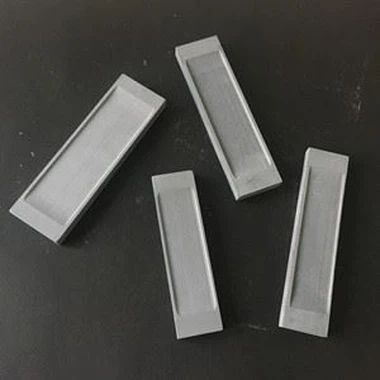
Shengyang New Material Co., Ltd. is committed to the production of boron nitride and boron nitride processed products, and can customize various boron nitride insulating ceramic parts according to customer needs. Contact us if necessary.
Tel:+8618560961205
Email:sales@zbsyxc.com
WhatsApp:+8613964302243