Wonderful Use Of Boron Nitride
Aug 08, 2023
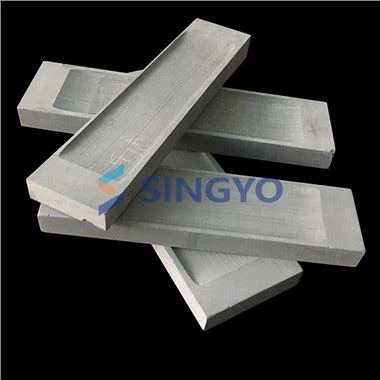
Boron nitride (BN), also known as white graphite, is a versatile material that has found applications in various industries. Its unique properties have made it useful in a wide range of applications, from electronics to ceramics. In this article, we look at the different ways in which BN is used and highlight its benefits.
1. Electronics
One of the most significant applications of BN is in the electronics industry. BN is a good insulator, making it ideal for high-temperature applications. It is often used as a substrate for electronic components, such as transistors and diodes. BN is also used as a heat sink, which helps dissipate heat from electronic devices, ensuring their proper functioning.
2. Ceramics
BN is a popular material in the ceramics industry, where it is used as a coating for ceramics molds. The coating prevents the molded ceramics from sticking to the mold, reducing waste during production. BN is also used as a filler in ceramic composites, which enhances their mechanical properties, such as hardness and resistance to wear and tear.
3. Lubricants
BN has excellent lubricating properties, making it useful in the manufacturing industry. It is used as a dry lubricant in situations where wet lubricants cannot be used. When applied to moving parts, BN reduces friction, wear, and noise, making equipment run more smoothly and efficiently.
4. Aerospace
BN is used in the aerospace industry due to its high thermal stability and low thermal expansion coefficient. It is used as a heat shield for space vehicles, which helps to protect them from high temperatures. BN also has excellent radiation resistance, making it useful in space and aviation applications.
Benefits of BN
BN has several benefits that make it popular in various industries. Firstly, it has excellent thermal conductivity, making it useful in high-temperature applications. Secondly, BN is a good dielectric material, which is useful in electronic applications. Additionally, BN is chemically inert and resistant to corrosion, making it useful in harsh environments. Finally, BN has a high melting point, which makes it suitable for use in extreme conditions.
In conclusion, BN is a versatile material that finds applications in many industries. Its unique properties, such as thermal conductivity, chemical resistance, and dielectric properties, make it useful in a wide range of applications, from electronic components to ceramics. As technology advances, we expect to see even more applications of BN in various industries.