Introduction to Hexagonal Boron Nitride (HBN): Production, Properties, and Applications
Jul 30, 2024
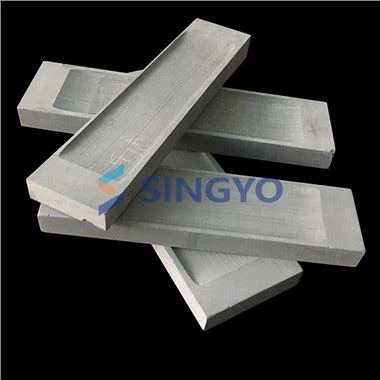
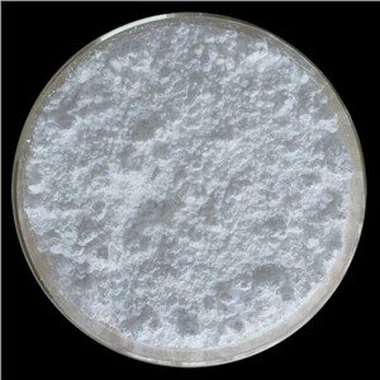
Hexagonal boron nitride (HBN) is a ceramic material that possesses unique properties that make it useful in a wide array of applications. It is a material that is made up of boron and nitrogen atoms, arranged in a hexagonal lattice structure, similar to graphite.
HBN can be produced using several techniques, including high-temperature synthesis, chemical vapor deposition, and hot pressing. The purity of HBN is important in determining its properties, and high-quality hBN can be produced with purity levels of up to 99.9%.
Properties of HBN
HBN has several properties that make it an interesting material for various applications. Firstly, it has a very high thermal conductivity, making it an excellent material for heat sinks and insulators in high-temperature environments. It is also a good electrical insulator, making it useful in electronic applications, such as transistors and power devices.
HBN is also chemically inert, which means it can withstand harsh environments without degrading or corroding. This makes it useful in applications such as coatings, insulators, and corrosion-resistant materials. Additionally, hBN has a high degree of lubricity, which makes it useful as a solid lubricant in moving parts.
Applications of HBN
The use of HBN extends across several fields, including electronics, aerospace, optics, and medical industries. The primary applications of HBN include:
1. High-temperature applications: HBN's high thermal conductivity and resistance to thermal shock make it an excellent material for use in high-temperature environments. It is used as a heat sink, insulator, and thermal management material in electronic components, power devices, and aerospace applications.
2. Lubrication: HBN's high degree of lubricity makes it an effective solid lubricant in high-friction environments, such as mechanical systems and moving parts.
3. Corrosion resistance: HBN's chemical inertness makes it suitable for use in harsh environments, where it can act as a coating and protect against corrosion.
4. Optical applications: HBN's unique optical properties, such as its high refractive index and transparency in the ultraviolet range, make it useful in optical devices, such as lenses, prisms, and mirrors.
5. Medical applications: HBN's biocompatibility and non-toxicity make it suitable for use in medical implants and drug delivery systems.