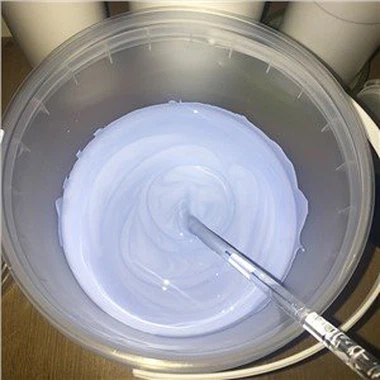
Boron Nitride High Temperature Resistant Coatings Have These Advantages
Aug 11, 2023
Boron nitride (BN) high temperature resistant coatings have become increasingly popular in various industrial applications due to their unique properties. The following are some advantages and uses of BN high temperature resistant coatings.
Advantages:
1. Heat resistance: BN coatings can withstand high temperatures of up to 2000℃, which makes them ideal for use in high-temperature industrial environments.
2. Non-wetting: BN coatings are non-wetting, making them useful in applications where materials with high melting points get in contact with hot molten metals and need to be protected from damage.
3. Chemical stability: BN coatings are inert and do not react with most chemicals, making them ideal for use in acid and alkaline environments.
4. Electrical insulation: BN coatings have high electrical insulation properties, making them ideal for electrical insulation applications.
5. High thermal conductivity: BN coatings have high thermal conductivity, making them useful in applications where heat needs to be efficiently transferred away from the surface.
Uses:
1. Aerospace: BN coatings are widely used in aerospace applications, where high temperature resistant coatings are required to protect aircraft and spacecraft from heat damage.
2. Industrial applications: BN coatings are used in industries such as metallurgy, glass-making, and ceramics, where high temperature resistant coatings are essential.
3. Electrical insulation: BN coatings are used as electrical insulation materials in electronics and electrical applications.
4. Chemical industry: BN coatings are used in the chemical industry to protect equipment and materials from chemical corrosion.
5. Medical devices: BN coatings are used in medical devices to improve their biocompatibility, resistance to corrosion, and durability.
In conclusion, BN high temperature resistant coatings offer unique advantages, such as heat resistance, non-wetting, chemical stability, electrical insulation, and high thermal conductivity, which make them widely used in various industrial applications.