Understanding Boron Nitride Ceramics
Aug 01, 2023
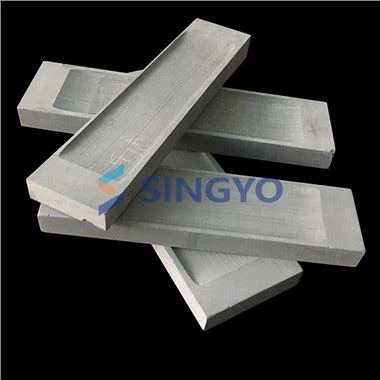
Boron nitride ceramics, or BN ceramics, have become increasingly popular due to their exceptional physical and chemical properties. As a result, it has gained the interest of researchers worldwide for use in various applications that require high thermal conductivity, good electrical insulation, and resistance to corrosion and wear.
One of the primary advantages of BN ceramics is their remarkable thermal conductivity properties. It is a perfect substitute for traditional heat-dissipation materials, such as aluminum oxide and silicon carbide, due to its high thermal conductivity and the ability to withstand extreme temperatures without any degradation. This makes it an ideal material for high-temperature engineering applications, including aerospace, automotive, and electronic industries.
Another significant benefit of BN ceramics is their incredible electrical insulation properties. The insulation capabilities of Boron nitride are on par with other insulators like Alumina, but BN ceramics provide much better performance at high temperatures and extreme mechanical loads. It also has excellent resistance to chemically aggressive environments, making it perfect for chemical processing and pharmaceutical industries.
In addition, BN ceramics are an eco-friendly alternative to other insulation materials that have less impact on the environment. Compared to traditional insulating materials, BN ceramics are much more durable, recyclable, and can minimize the carbon footprint during production.
In conclusion, the fascinating properties of Boron nitride ceramics make it a suitable material for applications that require high thermal conductivities, excellent electrical insulation, and resistance to wear and corrosion. The emergence of these innovative ceramics has opened new opportunities in various industries, and it is exciting to see what new applications will emerge as our understanding of BN continues to develop.