Why Is Boron Nitride, Which Has A Structure Similar To Graphene, Non-Conductive
Aug 12, 2024
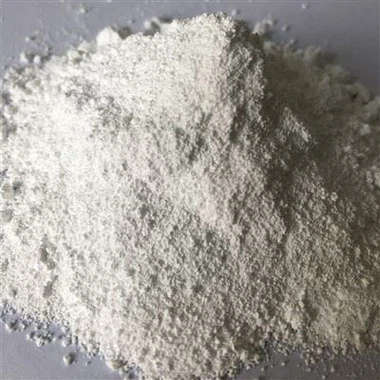
Boron nitride is a compound composed of boron and nitrogen, which is similar in structure to graphene. Just like graphene, boron nitride has a two-dimensional hexagonal lattice structure, which makes it an excellent candidate for various applications, including electronics and optics. However, unlike graphene, boron nitride is an insulator and does not conduct electricity.
The reason for this difference lies in the electronic structure of boron nitride. While graphene has a delocalized pi-electron system that facilitates electron transport, boron nitride has a wide bandgap and a much more localized electron system. This means that electrons cannot move freely within the material and do not contribute to its electrical conductivity.
Another reason for boron nitride's insulating properties is its chemical bonding. The compound is made up of alternating boron and nitrogen atoms that are covalently bonded within the lattice. These strong bonds hold the atoms rigidly in place and prevent electrons from drifting freely, which further contributes to the material's non-conductive properties.
Despite its lack of electrical conductivity, boron nitride is still an incredibly versatile and useful material. Its high thermal conductivity, low coefficient of thermal expansion, and excellent mechanical strength make it an excellent candidate for use in high-temperature applications, such as heat sinks and insulators. Additionally, its properties as an insulator make it a great electrical insulating material in electronics and other applications where electrical insulation is needed.
Shengyang New Material Co., Ltd. is committed to the production of boron nitride and boron nitride processed products, and can customize various boron nitride insulating ceramic parts according to customer needs. Contact us if necessary.
Tel:+8618560961205
Email:sales@zbsyxc.com
WhatsApp:+8613964302243